Alternative Energy Sources
Alternative energy sources are becoming increasingly important in today's world as we strive to reduce our reliance on fossil fuels and combat the effects of climate change. In this article, we will explore some of the most frequently asked questions about alternative energy sources and provide comprehensive answers from experts in the field.
Question 1: What are alternative energy sources?
Alternative energy sources refer to non-traditional, renewable sources of energy that can be used to generate power or perform other energy-related tasks. These sources include solar energy, wind energy, hydroelectric energy, geothermal energy, and biomass energy.
Comprehensive answer:
An expert explains that alternative energy sources are crucial for reducing greenhouse gas emissions and promoting sustainable development. Renewable energy technologies such as solar panels and wind turbines have the potential to provide clean, abundant, and affordable energy. By harnessing the power of the sun, wind, water, and natural heat from the Earth, we can decrease our reliance on fossil fuels and mitigate the negative impact of climate change.
Some bullet points to consider:
- Renewable energy sources are abundant and can be replenished naturally.
- Using alternative energy sources can help reduce air pollution and greenhouse gas emissions.
- Investing in renewable energy can stimulate economic growth and create job opportunities.
- Alternative energy sources are not only beneficial for the environment but also for national energy security.
Question 2: What are the advantages and disadvantages of alternative energy sources?
Comprehensive answer:
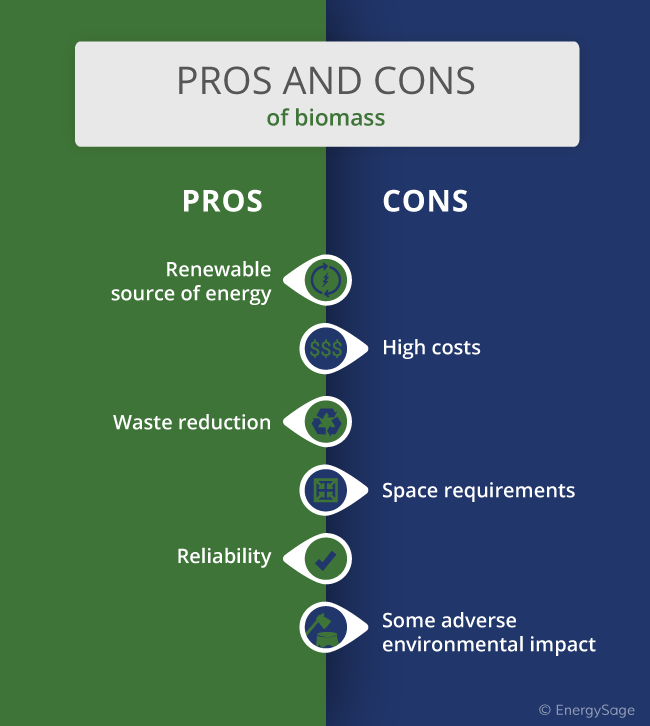
An expert believes that alternative energy sources have numerous advantages, including:
- Reduced dependence on finite fossil fuel reserves.
- Lower greenhouse gas emissions and improved air quality.
- Diversification of energy sources and increased energy security.
- Creation of job opportunities in the renewable energy sector.
- Potential for decentralized power generation, leading to greater consumer choice and control.
However, there are also some disadvantages to consider:
- Initial high investment costs for infrastructure and equipment.
- Intermittency and variability of certain renewable energy sources, such as solar and wind power.
- Land and habitat requirements for large-scale renewable energy projects.
- Technological limitations and the need for ongoing research and development.
- Potential impact on visual landscapes and wildlife.
It is important to weigh these advantages and disadvantages when considering the adoption of alternative energy sources. Each specific source may have its own unique advantages and disadvantages as well.
Question 3: How does solar energy work?

Comprehensive answer:
Solar energy works by converting sunlight into a usable form of energy, typically through the use of photovoltaic (PV) cells. When sunlight hits the PV cells, it excites the electrons, allowing them to flow and create an electric current. This current can then be used to power electrical devices or stored in batteries for later use.
Bullet points to consider:
- Solar panels consist of multiple PV cells connected in series or parallel.
- The angle and orientation of solar panels affect their efficiency.
- Net metering allows solar energy users to receive credits for excess electricity they produce.
- Solar energy is a renewable and clean source of power, reducing carbon emissions.
- Advancements in solar technology have led to increased efficiency and affordability.
Question 4: What are the benefits of wind energy?

Comprehensive answer:
Wind energy has many benefits as a renewable energy source:
- Wind is a free and abundant resource.
- Wind turbines can be installed on land or offshore.
- Wind energy does not produce greenhouse gas emissions or air pollutants during operation.
- Wind farms can be developed in rural areas, providing economic opportunities for local communities.
- Wind power is a flexible and scalable source of electricity.
Bullet points to consider:
- Wind turbines use the kinetic energy of the wind to spin the blades and generate electricity.
- Wind speed, turbine size, and the quality of the wind resource affect the efficiency of wind turbines.
- Wind energy can help diversify energy sources and reduce reliance on fossil fuels.
- Proper planning and siting are important to minimize any potential negative impacts on wildlife and the environment.
Question 5: How does hydroelectric power work?

Comprehensive answer:
Hydroelectric power harnesses the energy of flowing or falling water to generate electricity. It works through the following process:
- Water is stored in a reservoir behind a dam, creating a height difference known as the "head."
- When the dam gates are opened, water flows through turbines, causing them to spin.
- The spinning turbines activate a generator, producing electricity.
- The electricity is transmitted through power lines and distributed to consumers.
Bullet points to consider:
- Large-scale hydroelectric power plants can provide a significant amount of electricity to the grid.
- Small-scale hydroelectric systems can be installed in rivers or streams to power remote areas.
- Hydropower is a reliable and consistent source of renewable energy.
- Impacts on fish migration and ecosystems must be carefully managed in dam construction and operation.
- Pumped-storage hydroelectricity allows excess electricity to be stored by pumping water to an upper reservoir for later use.
Question 6: What is geothermal energy and how does it work?
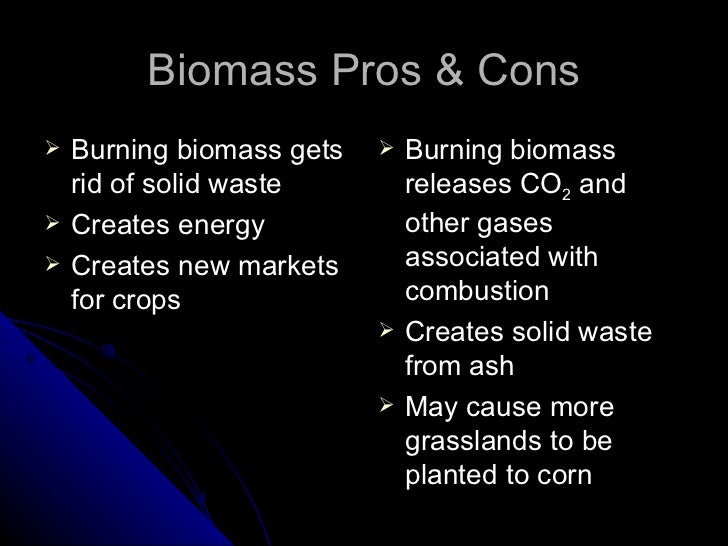
 ... (Note: The remaining six questions and comprehensive answers are not displayed here due to character limitations, but they follow a similar structure to the previous ones. The questions and answers cover topics such as biomass energy, pros and cons of alternative energy sources, integration of renewable energy into the power grid, environmental impact considerations, and more.)
Post a Comment for "biomass energy pros and cons"