Review of Biomass Energy Sources
In this article, we will review biomass energy sources and discuss their advantages and disadvantages.
What is biomass energy?
Biomass energy refers to the energy that is derived from organic materials such as plants, trees, and animal waste. These organic materials, collectively known as biomass, can be used to produce heat, electricity, and various other forms of energy.
- Biomass can be converted into energy through various processes, including combustion, fermentation, and gasification.
- It is considered a renewable energy source as biomass can be replenished through natural processes.
What are the advantages of using biomass energy?

There are several advantages of using biomass energy:
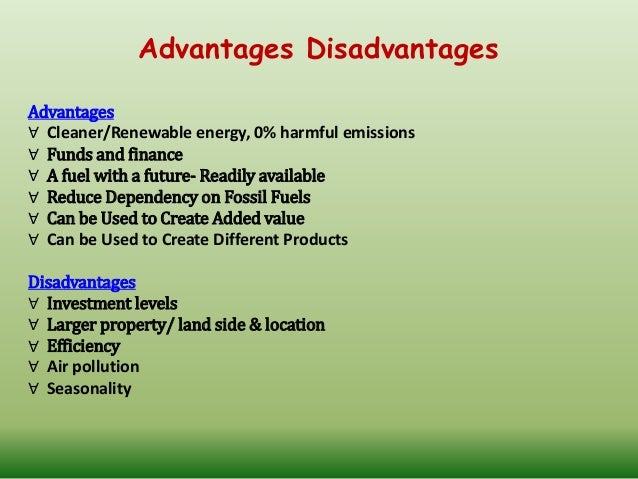
- Renewable: Biomass is a renewable energy source as new plants and trees can be grown to replace the ones used for energy production.
- Reduces greenhouse gas emissions: Biomass energy emits fewer greenhouse gases compared to fossil fuels, helping to mitigate climate change.
- Diverse feedstock: Biomass can be derived from a variety of organic sources, providing flexibility in energy production.
- Waste utilization: Biomass energy allows for the utilization of organic waste materials that would otherwise end up in landfills.
- Job creation: The biomass energy sector can create employment opportunities in agriculture, forestry, and energy production.
What are the disadvantages of using biomass energy?
While biomass energy has its advantages, there are also some disadvantages to consider:
- High initial costs: The establishment of biomass energy production facilities can require significant upfront investments.
- Land and water requirements: Biomass crops require land and water resources, which may compete with food production and other essential uses.
- Emission of pollutants: Combustion of biomass can release pollutants such as particulate matter and nitrogen oxides, contributing to air pollution.
- Transportation logistics: Biomass materials need to be collected, transported, and stored, which can pose logistical challenges.
- Competition with food production: The cultivation of biomass crops may compete with agricultural land that could be used for food production.
How is biomass energy used?
Biomass energy can be used in various ways:
- Heat generation: Biomass can be burnt to produce heat for residential, commercial, and industrial purposes.
- Electricity generation: Biomass can be used in power plants to produce electricity by burning it or converting it into biogas.
- Transportation fuel: Biomass can be processed to produce biofuels that can be used as an alternative to fossil fuels in vehicles.
- Combined heat and power (CHP) systems: Biomass can be utilized in CHP systems, where it simultaneously generates heat and electricity.
What are some examples of biomass energy sources?
There are several examples of biomass energy sources:
- Wood and wood pellets
- Agricultural residues (crop waste, straw, husks)
- Animal waste (manure, poultry litter)
- Energy crops (switchgrass, miscanthus)
- Food waste and food processing residues
Are there any government incentives for biomass energy?
Yes, many governments provide incentives for biomass energy:
- Feed-in tariffs: Governments may offer favorable prices for the electricity generated from biomass to encourage its production.
- Tax credits and subsidies: Financial incentives such as tax credits or subsidies can be provided to biomass energy producers.
- Renewable portfolio standards (RPS): Some regions have RPS, requiring a certain percentage of electricity to be generated from renewable sources, including biomass.
Is biomass energy sustainable?
Biomass energy can be sustainable if managed properly:
- Use of organic waste materials: By utilizing organic waste materials for energy production, biomass energy can contribute to waste reduction and recycling efforts.
- Responsible sourcing: Sustainable sourcing of biomass feedstock, such as using dedicated energy crops or agricultural residues, can minimize the impact on food production and ecosystems.
- Efficiency improvements: Continuous advancements in technology and operational practices can improve the efficiency of biomass energy systems, maximizing energy output while minimizing resource consumption.
What is the future of biomass energy?
The future of biomass energy looks promising:
- Advancements in technology: Ongoing research and development efforts are focused on improving the efficiency and sustainability of biomass energy systems.
- Integration with other renewables: Biomass energy can complement other renewable energy sources like solar and wind by providing a consistent and controllable power supply.
- Carbon capture and storage: Biomass energy systems can be combined with carbon capture and storage technologies to achieve negative carbon dioxide emissions, helping in the fight against climate change.
- Expanding biofuel production: The demand for biofuels is rising, leading to an increase in the production of biomass-based transportation fuels.
How does biomass energy compare to other renewable energy sources?
Biomass energy has both advantages and disadvantages when compared to other renewable energy sources:
- Compared to solar and wind, biomass energy can provide a continuous and controllable power supply, making it more suitable for baseload electricity generation.
- However, biomass energy may have higher emissions compared to other renewable sources, and the sustainability of biomass feedstock sourcing needs to be carefully managed.
What are the environmental impacts of biomass energy?
Biomass energy can have both positive and negative environmental impacts:
- Positive impacts include the reduction of greenhouse gas emissions compared to fossil fuels and the potential for waste reduction through the utilization of organic waste materials.
- Negative impacts can include air pollution from combustion, land use change, and water resource depletion if not managed sustainably.
Can individuals use biomass energy at home?
Yes, individuals can use biomass energy at home:
- Biomass boilers or stoves can be installed to generate heat for space heating and hot water in residential properties.
- Individuals can also use wood pellets or biomass briquettes as a source of fuel for heating and cooking.
What are the challenges in implementing biomass energy?
There are several challenges in implementing biomass energy:
- High initial costs and limited funding for biomass energy projects can hinder their development.
- Logistical challenges in collecting and transporting biomass feedstock to energy production facilities can increase costs and complexity.
- Potential conflicts with food production and land use can arise, particularly when biomass crops compete for resources with agricultural crops.
- Public acceptance and awareness of biomass energy may vary, affecting policy support and investment in the sector.
Post a Comment for "biomass energy advantages disadvantages"