Volvo XC60 Plug-in Hybrid
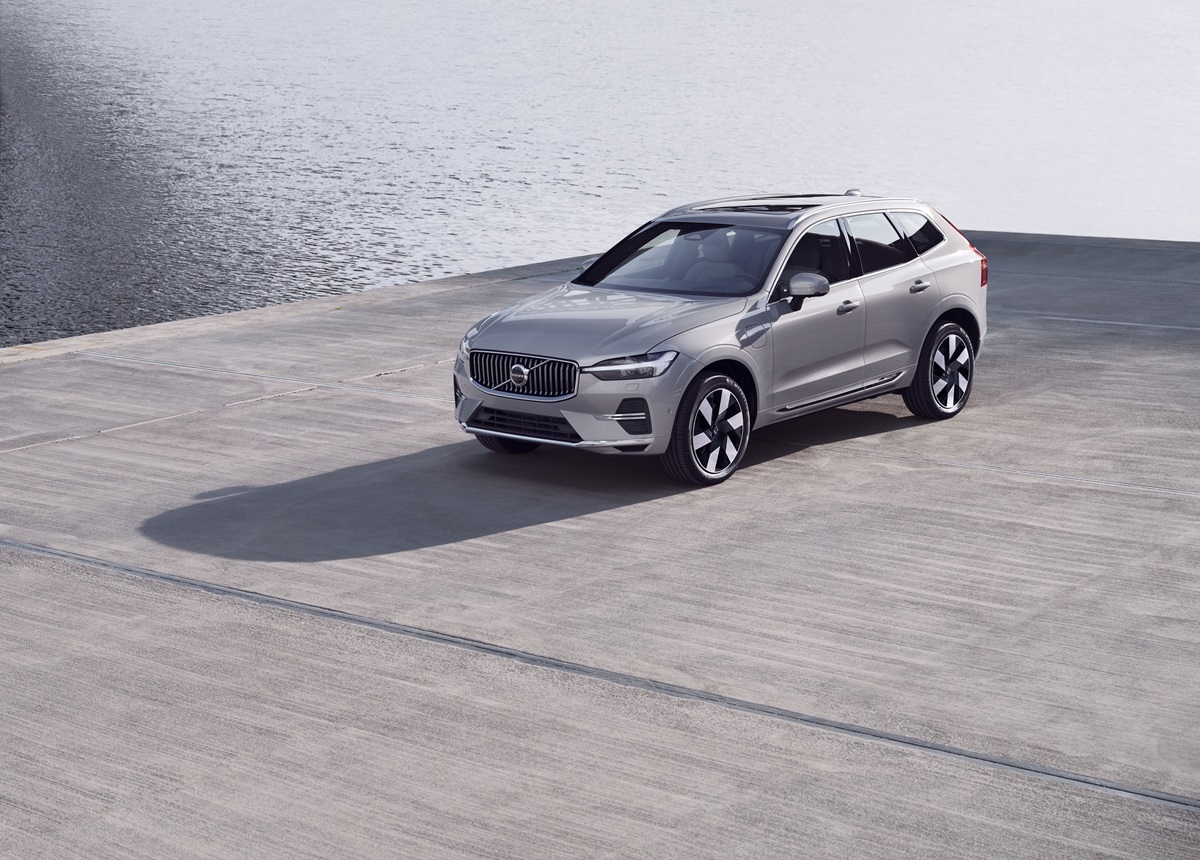
At Volvo, the first thing that comes to mind is safety. And the Swedes also show with the XC60 that they are still at the forefront in this area. In this case, this means a whole range of assistance systems that, for example, prevent collisions with other road users or warn you of vehicles in the blind spot.
The integrated head-up display also projects the speed or instructions of the navigation system directly onto the windscreen. This way, you always have the most important information at a glance without having to take your eyes off the road.
- Price from CHF 81,350
- Drive: All-wheel drive
- Power: 335 kW/455 hp
- Electric range (combined): up to 81 km
- Consumption (combined): 18.4 kW/h + 1 l/100 km
- CO₂ emissions (combined): 23 g/km
- AC charging time battery (5 – 100%): 3 h
- Trunk: 468 l
BMW X1
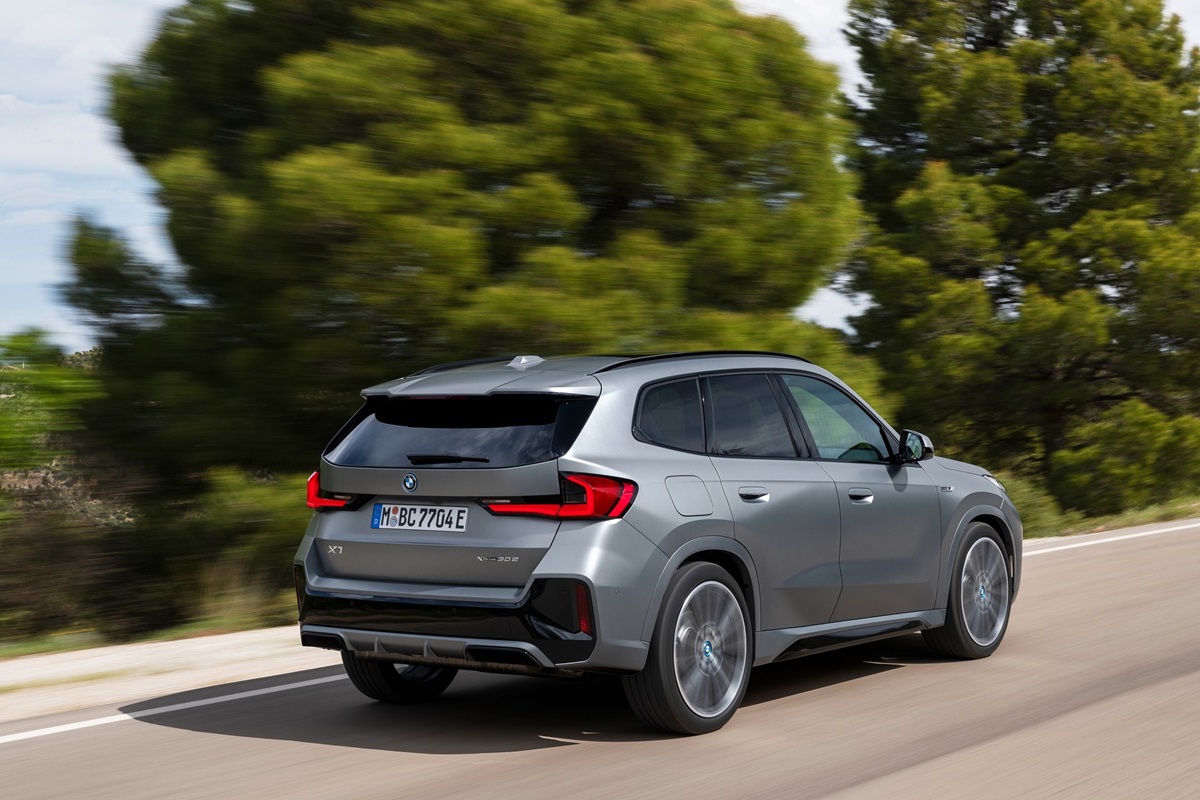
The BMW X1 xDrive 30e promises maximum driving comfort in city traffic as well as on country roads and motorways. The electric motor propels the compact SUV from 0 to 100 km/h in less than 6 seconds, and thanks to the adaptive suspension, the X1 masters even demanding corner combinations effortlessly.
The purely electric range of up to 89 km is convincing. This is enough for most everyday journeys. So if you always charge the battery fully, you can drive practically all kilometers electrically. In this way, petrol or diesel costs can almost be eliminated from the budget.
- Price from CHF 62,900
- Drive: All-wheel drive
- Power: 240 kW/326 hp
- Electric range (combined): up to 89 km
- Consumption (combined): 16.8 kW/h + 1.1 l/100 km
- CO₂ emissions (combined): 16 g/km
- AC charging time battery (0 – 100%): 2.5 h
- Trunk: 490 l
Mercedes-Benz GLC
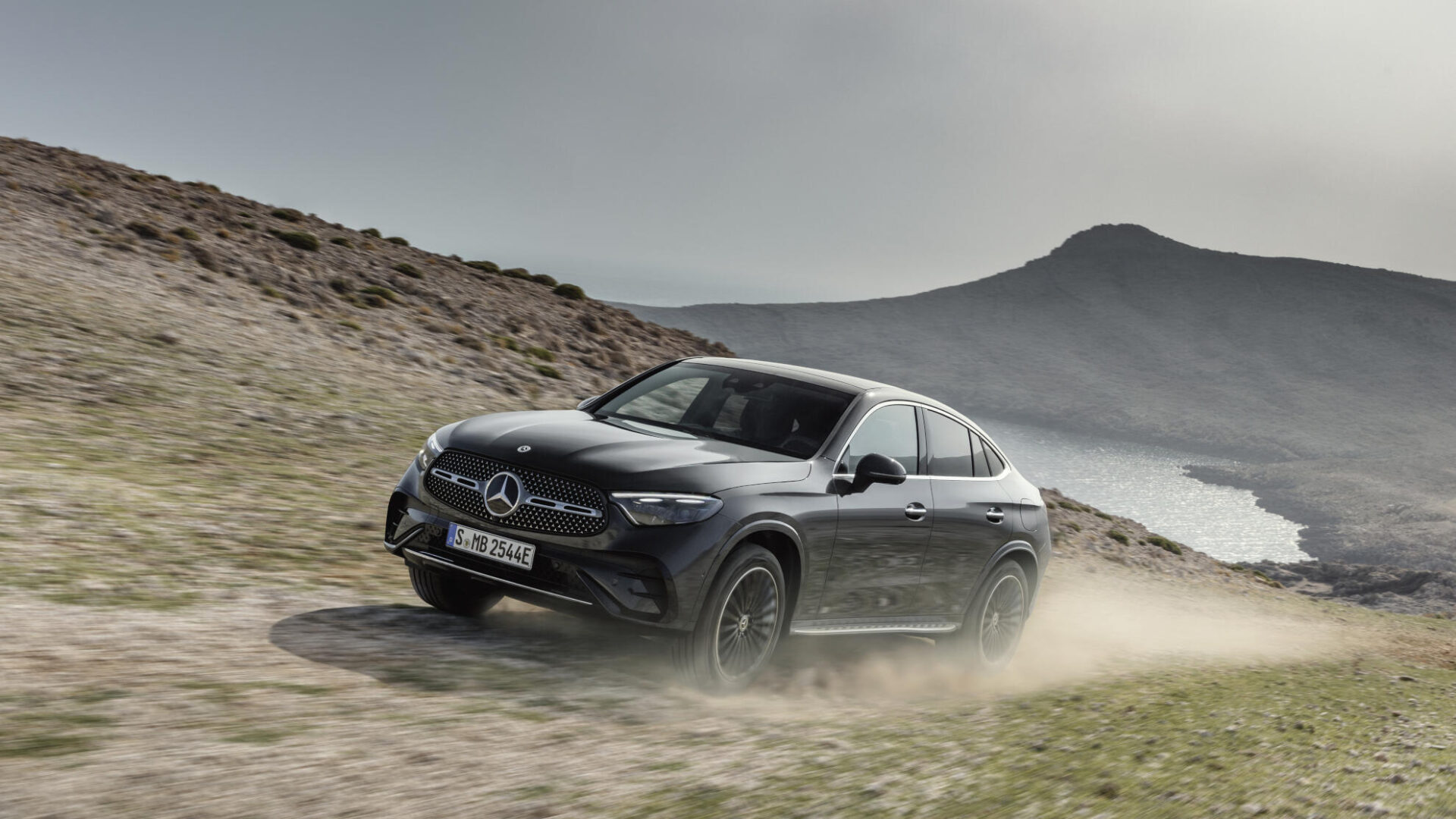
Mercedes is focusing on endurance with its plug-in hybrid. The GLC easily cracks the 100 km barrier with electric drive. With its 24.82 kWh battery, it can even drive up to 122 km purely electrically. Only then does the combustion engine have to step in. And if the charge still runs low on the road, the battery can be charged in 20 minutes at a fast charging station.
With 6.7 seconds from 0 to 100 km/h, the plug-in SUV from Stuttgart gets into gear a little more sluggishly than comparable cars. However, it no longer has to hide at the maximum speed – up to 218 km/h are possible.
- Price from CHF 78'089.–
- Drive: All-wheel drive
- Power: 250 kW/340 hp
- Electric range (combined): up to 122 km
- Consumption (combined): 22.3 kW/h + 0.6 l/100 km
- CO₂ emissions (combined): 14 g/km
- AC charging time battery (0 – 100 %): 2.75 h
- Trunk: 620 l
Ford Kuga
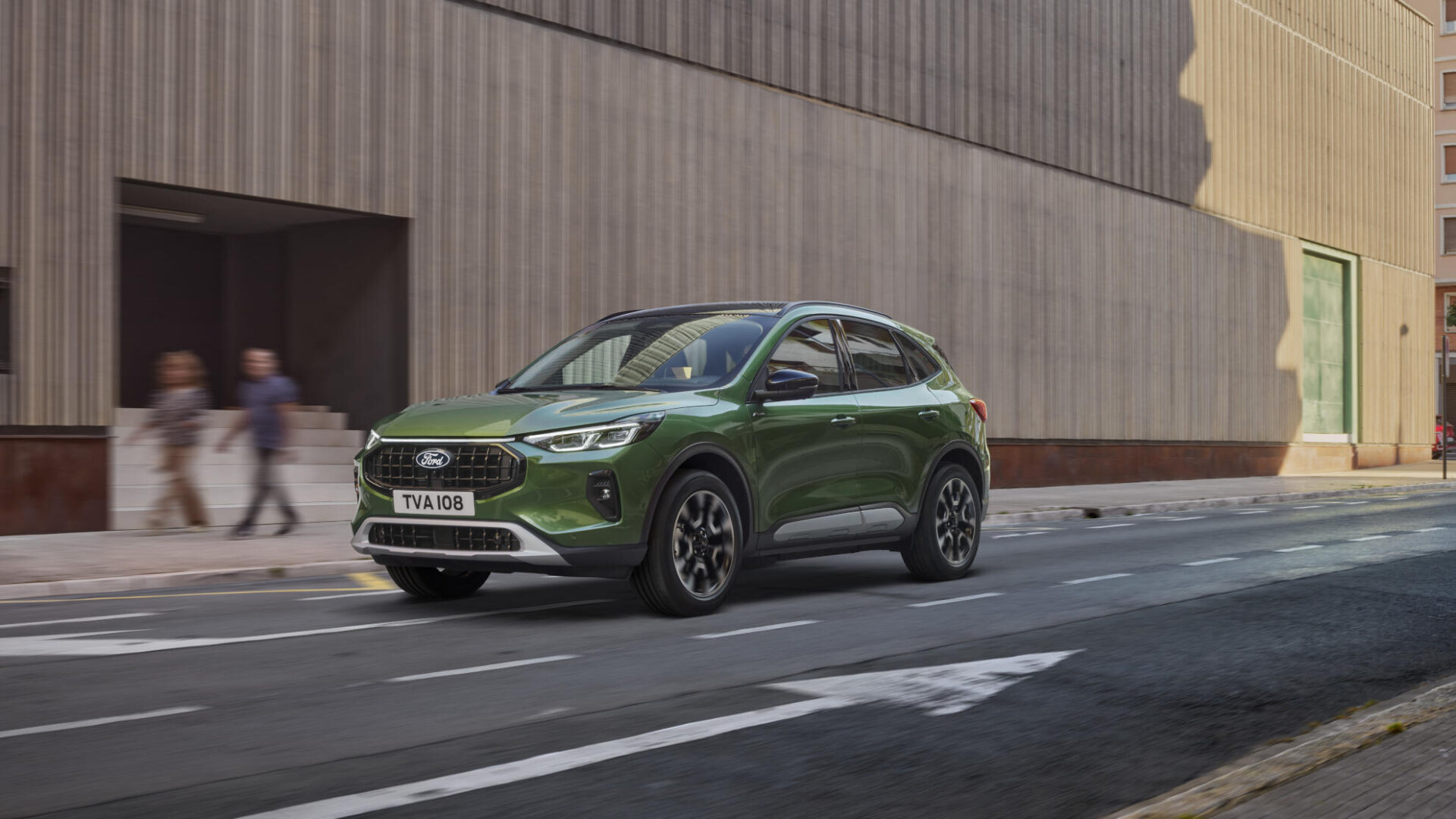
Plenty of space for passengers and luggage, and for relatively little money. The Ford Kuga is available as a new car for less than 40,000 francs. This clearly makes it one of the frontrunners in terms of value for money.
If it still gets too cramped in the 5-seater or if you have to transport something bigger, the compact SUV still has an ace up its sleeve. With its maximum tractive force of 2,100 kg, it effortlessly pulls everything from transport trailers to campers to their destination.
- Price from CHF 39,800
- Drive: Front wheel drive
- Power: 178 kW/243 hp
- Electric range (combined): up to 69 km
- Consumption (combined): 17 kW/h + 1.2 l/100 km
- CO₂ emissions (combined): 27 g/km
- AC charging time battery (0 – 100%): 3.5 h
- Trunk: 536 l
Audi Q5
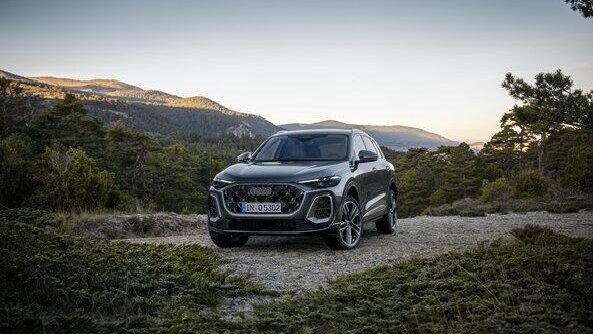
Im Q5 setzt Audi auf Wohlfühlambiente im Innern. Fahrer:innen und Passagiere haben viel Platz, um es sich während der Fahrt gemütlich zu machen. Die hochwertigen Materialien und die hohe Verarbeitungsqualität tun ihr Übriges dazu.
Für die Preisklasse ist die rein elektrische Reichweite des Q5 allerdings etwas enttäuschend. 62 km entsprechen nicht den Werten, den man bei anderen Plug-in-Hybriden vorfindet. Dafür sorgt der Audi-quattro-Allradantrieb für ein Fahrverhalten, das keinen Vergleich scheuen muss. Der Q5 gleitet bei fast jedem Wetter und auf jeder Strecke ruhig und sicher über die Strassen.
- Preis ab CHF 76’200.–
- Antrieb: Allradantrieb
- Leistung: 270 kW/367 PS
- Electric range (combined): up to 74 km
- Consumption (combined): 22 kW/h + 1.5 l/100 km
- CO₂ emissions (combined): 35 g/km
- AC charging time battery (0 – 100%): 2.5 h
- Trunk: 465 l
Porsche Cayenne E-Hybrid
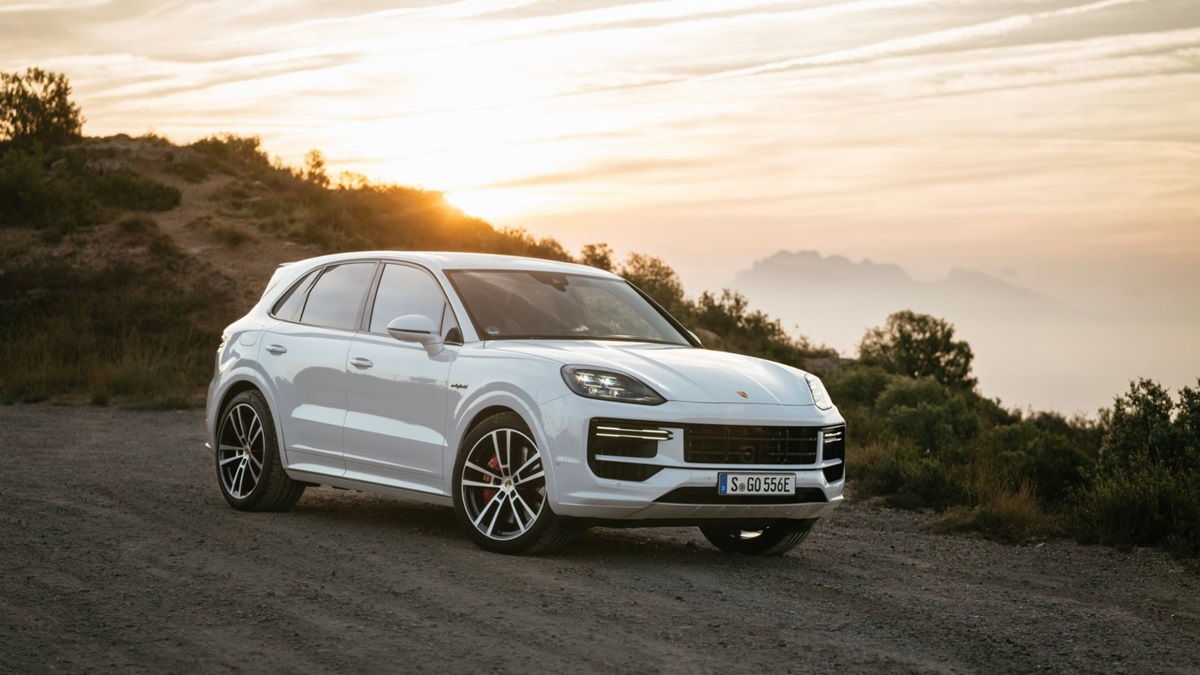
Uncompromising luxury meets powerful design – with the Cayenne E-Hybrid, Porsche leaves nothing to be desired. The all-wheel drive is not only convincing on the road, but also effortlessly copes with off-road routes.
A highlight for the driver is the display of speed, navigation instructions, speed limits and more directly on the windshield. All the attention remains on the road at all times. However, all of this also has a hefty price of over 120,000 francs for the basic version.
- Price from CHF 124,300
- Drive: All-wheel drive
- Power: 346 kW/470 hp
- Electric range (combined): up to 81 km
- Consumption (combined): 28.7 kW/h + 1.5 l/100 km
- CO₂ emissions (combined): 33 g/km
- AC charging time battery (0 – 100%): n/a
- Trunk volume: 627 l
Cupra Formentor E-Hybrid
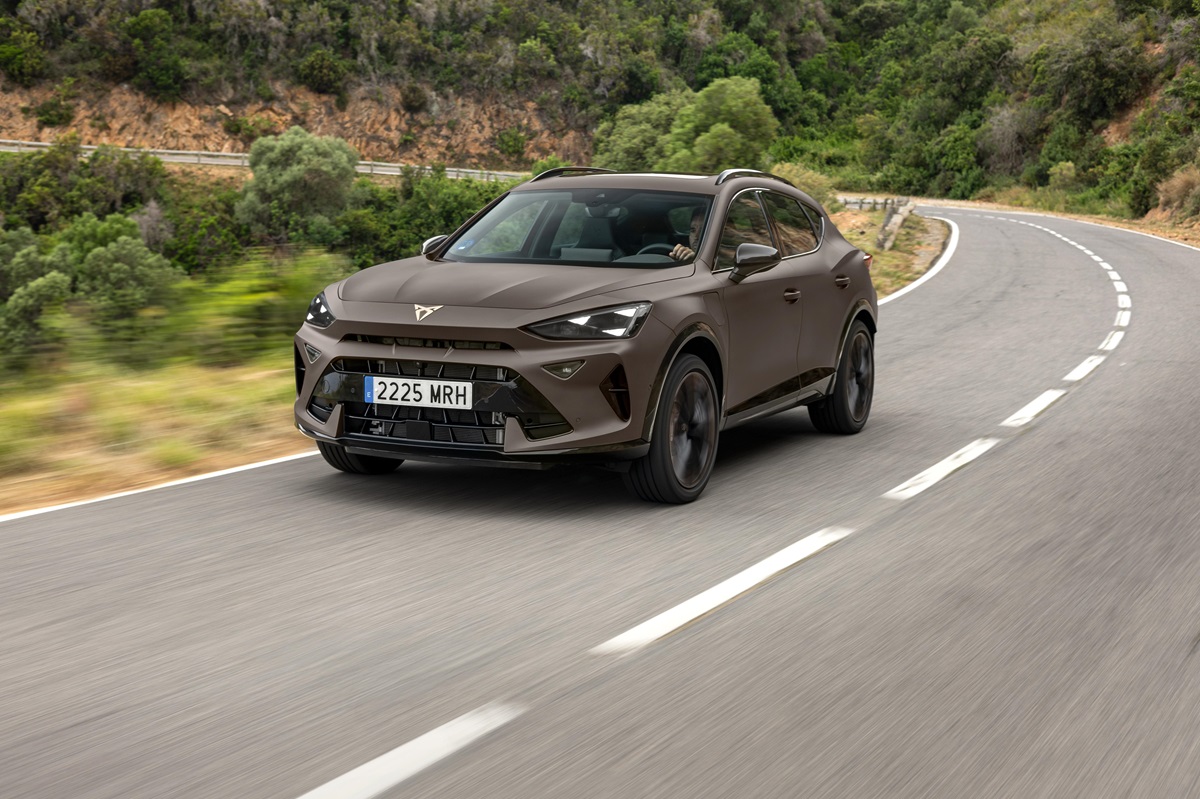
With the sporty compact SUV, Cupra has finally emancipated itself from the parent company Seat. Even if you have to accept some compromises in terms of liveliness with the plug-in hybrid version of the Formentor compared to the petrol engine. If the gasoline engine makes it to 100 km/h in less than 5 seconds, the E-Hybrid with front-wheel drive takes around 7 seconds.
However, the usual Cupra quality comes into its own when it comes to the driving experience. The precise steering and the strong grip on the front axle make sporty driving on winding roads a pure pleasure.
- Price from CHF 48,300
- Drive: Front-wheel drive/all-wheel drive
- Power: 150 kW/204 hp
- Electric range (combined): up to 71 km
- Consumption (combined): 14.9 kW/h + 1.2 l/100 km
- CO₂ emissions (combined): 27 g/km
- AC charging time battery (0 – 100%): 3.5 h
- Trunk: N/A
Mini Countryman SE ALL4 PHEV
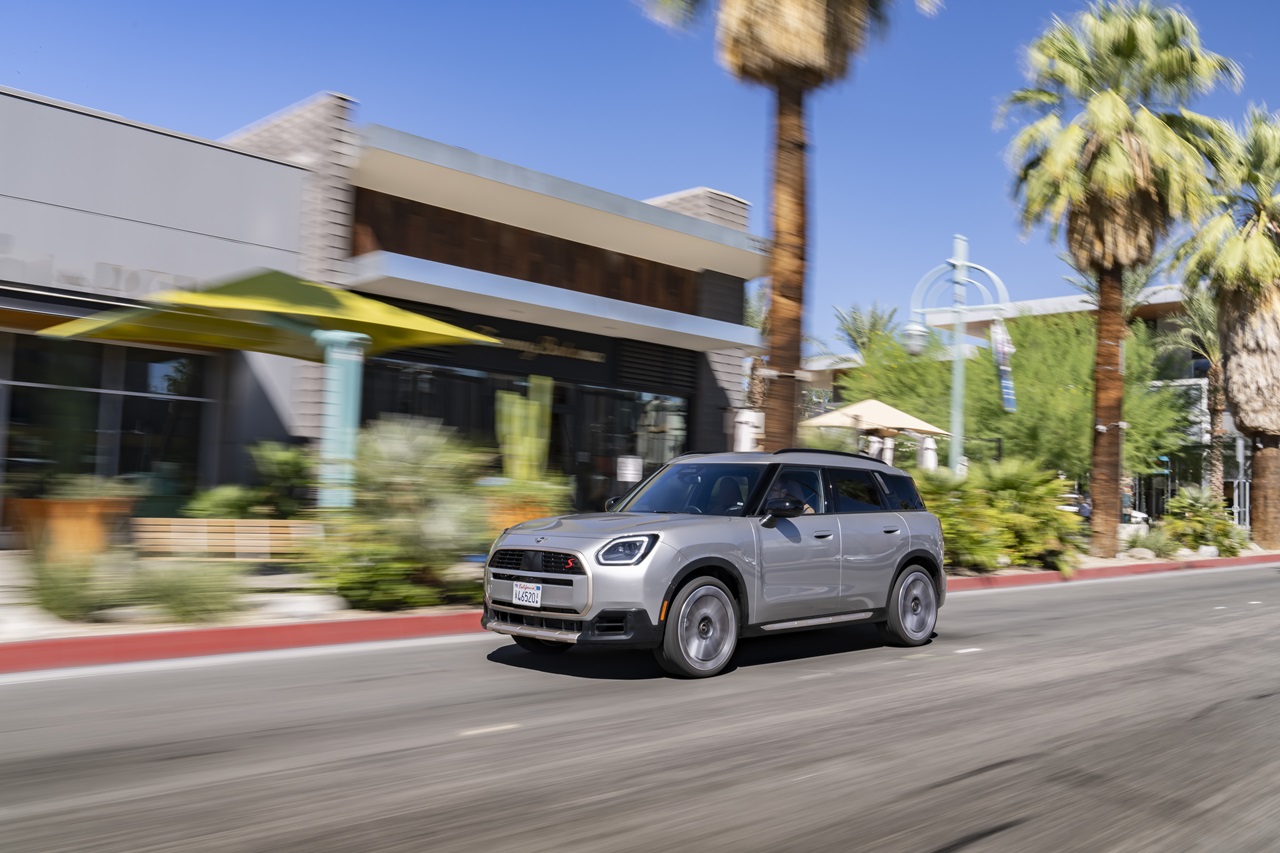
There is not much "mini" left on the Countryman. With the SUV at the latest, the British manufacturer has broken away from the brand name. On the other hand, the space in the five-seater is generous enough that it is also a good choice for families or longer journeys with a lot of luggage.
At the lower end of the ranking, however, the Countryman is in terms of electric range: With only up to 57 km, the Briton is not completely convincing here. On the other hand, with the typical mini design and the unique round dashboard with touchscreen and LED ring, it is something for the eye – both outside and inside.
- Price from CHF 42,300
- Drive: Front-wheel drive
- Power: 164 kW/223 hp
- Electric range (combined): up to 65 km
- Consumption (combined): 13.3 kW/h + 0.5 l/100 km
- CO₂ emissions (combined): 11 g/km
- AC charging time battery (0 – 100%): 4 h
- Trunk: N/A
Toyota Prius
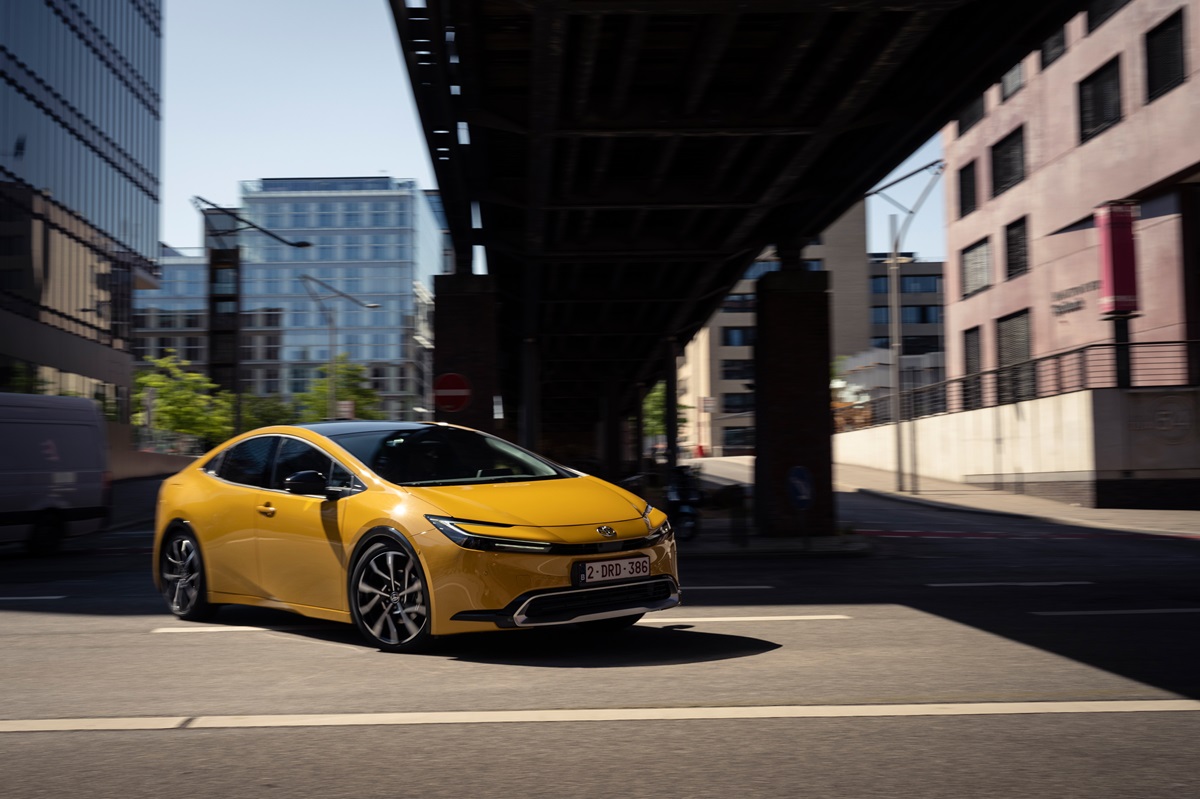
Das Urgestein gehört auch heute noch zu den beliebtesten Plug-in-Hybriden. Toyota punktet mit dem äusserst sparsamen und dennoch leistungsstarken Elektromotor. Dieser sorgt dafür, dass du im Alltag und solange die Batterie geladen ist fast immer rein elektrisch fährst.
However, the relatively small battery is a minus point. Even with the economical engine, the electric range of the Prius is only 65 km. Here he can no longer keep up with many competitors. However, plug-in hybrids with noticeably more range usually play in a completely different price range.
- Price from CHF 42,300
- Drive: Front-wheel drive
- Power: 164 kW/223 hp
- Electric range (combined): up to 65 km
- Consumption (combined): 13.3 kW/h + 0.5 l/100 km
- CO₂ emissions (combined): 11 g/km
- AC charging time battery (0 – 100%): 4 h
- Trunk: N/A
Jeep Compass 4xe
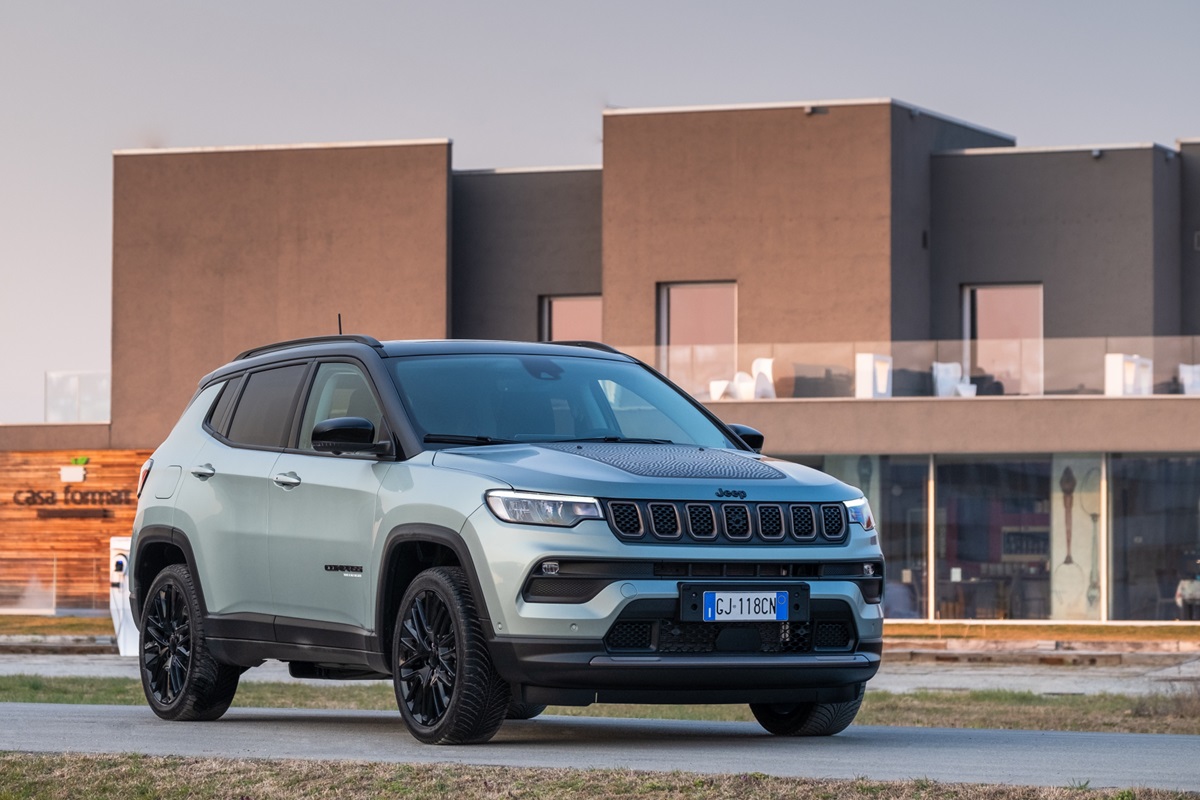
In keeping with the brand's tradition, the Jeep Compass 4xe feels at home on any terrain. Whether on the road, in snow, sand or scree. Thanks to the high ground clearance and traction control with different modes for different surfaces, the plug-in hybrid can cope with anywhere.
The interior is also tailored for off-road adventures – the upholstery and surfaces are easy to wash off for easy cleaning. The price for the versatility is the rather short electric range and the rather high consumption of the petrol engine at over 2 l/100 km.
- Price from CHF 46,490
- Drive: All-wheel drive
- Power: 177 kW/240 hp
- Electric range (combined): up to 53 km
- Consumption (combined): n/a kW/h + 2.1 l/100 km
- CO₂ emissions (combined): 47 g/km
- AC charging time battery (0 – 100%): n/a
- Trunk: 420 l
How does a plug-in hybrid (PHEV) work?
A plug-in hybrid combines an electric motor and a combustion engine. On short distances, the car can drive purely electrically. The combustion engine serves as a generator and charges the battery while driving as soon as it falls below a certain value.
Mehr zur Funktionsweise von Plug-in-Hybriden und den Unterschieden zu Voll- und Mild-Hybrid-Autos liest du in diesem Artikel.
Was sind die Vorteile eines Plug-in-Hybrids?
Die wichtigsten Vorteile von Plug-in-Hybriden sind die tiefen CO₂-Emissionen und die grosse Flexibilität. Auf kurzen Strecken im Alltag kannst du 100 % elektrisch fahren und musst kein Benzin oder Diesel verbrauchen. Auf längeren Fahrten kannst du dich auf das gewohnt dichte Tankstellennetz verlassen und musst keine Ladestationen suchen.
Der grösste Nachteil sind die 2 Motoren. Sie brauchen viel Platz und machen das Auto schwerer. Das hat weniger Stauraum für Gepäck und einen höheren Energieverbrauch, sprich weniger Effizienz, zur Folge. Die doppelte Motorisierung führt aber auch zu einem höheren Wartungsaufwand, speziell im Vergleich zu Elektroautos.
Wie gross ist die elektrische Reichweite eines Plug-in-Hybrids?
Mindestens 50 km ohne den Benzin- oder Dieselmotor zu verwenden ist heute Standard. Es gibt auch Modelle unter den Plug-in-Hybriden, die Reichweiten von 100 km und mehr nur mit dem elektrischen Antrieb schaffen. Zum Vergleich: Reine Elektroautos erreichen mittlerweile eine Reichweite von 600 km und mehr.
Of course, exactly how far a plug-in hybrid drives purely electrically depends on the size of the battery and the consumption of the car. But the driving style and the outside temperatures also have an influence – in winter, for example, the range decreases.
How often do I need to charge a plug-in hybrid?
In the best case, a plug-in hybrid is always connected to a wallbox or socket in your own garage. This ensures that the battery is always charged and that you can make as many everyday trips as possible without using petrol or diesel.
If the battery runs low on the road, it is also worth charging the battery at a public or private charging station. Check out our map to find the charging stations near you
source :The best plug-in hybrids in Switzerland 2024 | AutoScout24
Post a Comment for "The best plug-in hybrids in Switzerland 2024"