Advantages And Disadvantages of Biomass Energy
Biomass energy is a renewable energy source that involves the conversion of organic materials, such as wood, crops, and agricultural waste, into usable energy. It has gained attention as an alternative to fossil fuels due to its potential environmental benefits. However, like any other energy source, biomass energy also has its advantages and disadvantages. In this article, we will explore the most frequently asked questions about biomass energy and highlight its pros and cons.
1. What is biomass energy?

Biomass energy refers to the conversion of organic materials into usable energy sources. These organic materials can include forest residues, agricultural waste, wood pellets, energy crops, and biogas derived from anaerobic digestion processes. The energy derived from biomass can be in the form of heat, electricity, or any other form of energy.
Key points:
- Biomass energy utilizes organic materials to produce usable energy.
- Organic materials can include wood, crops, agricultural waste, and biogas.
- The energy can be in the form of heat, electricity, or any other form of energy.
2. What are the advantages of biomass energy?
Biomass energy offers several advantages, including:
- Renewable and Sustainable: Biomass is derived from organic materials and can be replenished, making it a renewable and sustainable energy source.
- Reduced Carbon Emissions: Biomass energy has lower carbon emissions compared to fossil fuels, contributing to climate change mitigation.
- Supports Rural Development: Biomass energy production can provide economic opportunities and support rural development by creating jobs in biomass-related industries.
- Diversification of Energy Sources: By utilizing biomass as an energy source, it helps diversify the energy mix and reduce dependence on fossil fuels.
3. What are the disadvantages of biomass energy?
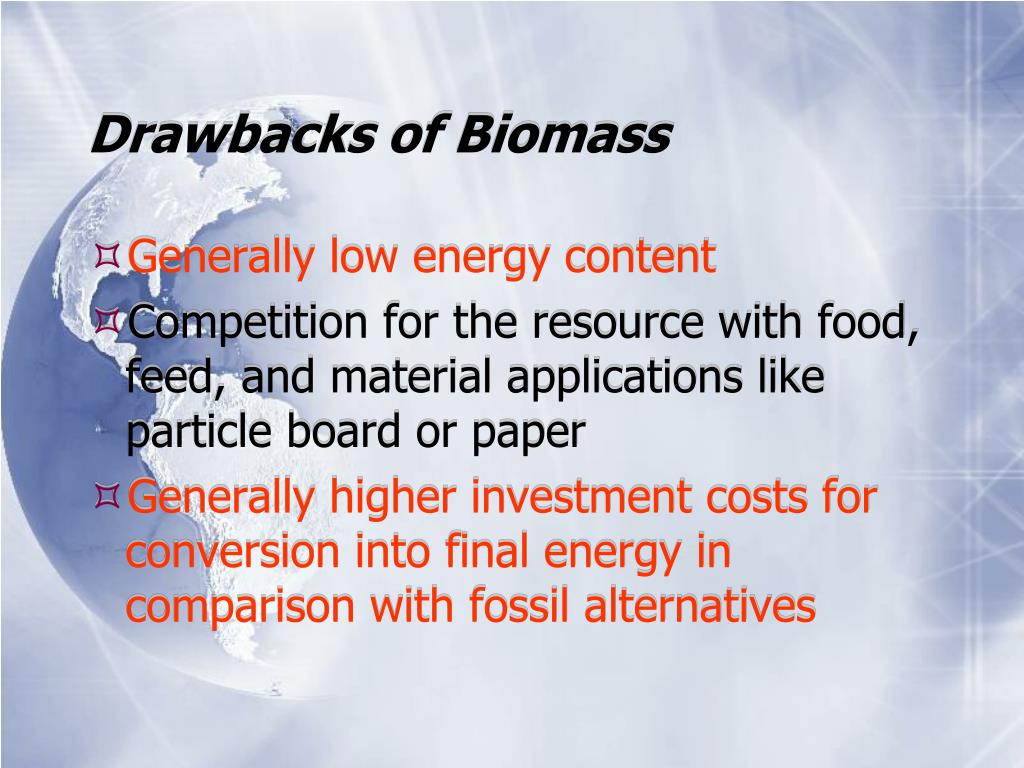
While biomass energy has its advantages, there are also some disadvantages that need to be considered:
- Land and Water Use: Biomass energy production requires large amounts of land and water resources, which may raise concerns about competition with food production and habitat destruction.
- Air Pollution: The combustion of biomass materials can release pollutants into the air, contributing to local air pollution.
- Transportation and Storage Challenges: Biomass materials need to be collected, transported, and stored, which can present logistical challenges and additional costs.
- Economic Viability: The cost of biomass energy production is influenced by factors such as feedstock availability, technology efficiency, and government incentives, which may affect its economic viability.
4. How is biomass energy different from fossil fuels?
Biomass energy differs from fossil fuels in the sense that it utilizes organic materials derived from recently living organisms, while fossil fuels are formed from ancient organic matter over millions of years. The combustion of fossil fuels releases carbon that has been sequestered for a long time, contributing to increased greenhouse gas emissions. On the other hand, biomass materials like wood and agricultural waste release carbon that was recently absorbed from the atmosphere during their growth, resulting in lower net emissions.
Key points:
- Biomass energy utilizes organic materials derived from recently living organisms.
- Fossil fuels are formed from ancient organic matter over millions of years.
- Burning fossil fuels releases sequestered carbon, while biomass energy emits recently absorbed carbon.
5. Can biomass energy help reduce greenhouse gas emissions?
Biomass energy can contribute to the reduction of greenhouse gas emissions when compared to fossil fuels. While the combustion of biomass still releases carbon dioxide (CO2), it can be considered carbon-neutral because the carbon emitted during its combustion is part of the natural carbon cycle. Furthermore, the growth of new biomass materials for energy production can help offset CO2 emissions by absorbing the same amount of carbon during their growth. However, it is important to ensure sustainable biomass sourcing and efficient combustion technologies to achieve maximum emission reductions.
Key points:
- Biomass energy can be considered carbon-neutral as the carbon emitted is part of the natural carbon cycle.
- The growth of new biomass materials can help offset CO2 emissions by absorbing carbon during their growth.
- Sustainable sourcing and efficient combustion technologies are vital for maximizing emission reductions.
6. How does biomass energy support rural development?
Biomass energy production can have positive impacts on rural development by creating job opportunities and supporting local economies. The establishment of biomass-related industries, such as biomass power plants or biomass pellet production facilities, often requires skilled labor and fosters the growth of a renewable energy sector. Additionally, biomass sourcing from agricultural waste or energy crops can provide income for farmers and landowners, promoting agriculture-related entrepreneurship in rural areas.
Key points:
- Biomass energy production creates job opportunities in biomass-related industries.
- Biomass sourcing from agricultural waste or energy crops can provide income for farmers and landowners.
- Rural areas benefit from the establishment of a renewable energy sector and increased economic activity.
7. What are some examples of biomass energy sources?
Biomass energy can be derived from various sources, including:
- Wood and Wood Pellets: Both virgin wood and wood pellets made from sawdust or wood waste can be used as biomass energy sources.
- Agricultural Waste: Crop residues, such as corn stover or rice straw, and animal manure are examples of biomass energy sources derived from agricultural waste.
- Energy Crops: Dedicated energy crops, like switchgrass or miscanthus, are grown specifically for biomass energy production.
- Biogas: Biogas is produced through the anaerobic digestion of organic materials such as food waste, sewage, or livestock manure.
8. How efficient is biomass energy conversion?
The efficiency of biomass energy conversion can vary depending on the technology used and the biomass feedstock. Common conversion technologies include direct combustion, gasification, pyrolysis, and anaerobic digestion. Direct combustion, where biomass is burned to produce heat or steam, has lower efficiency compared to more advanced technologies like gasification or combined heat and power (CHP) systems. Advanced technologies can achieve higher overall energy conversion efficiency by utilizing waste heat or producing valuable by-products.
Key points:
- The efficiency of biomass energy conversion depends on the technology used and the biomass feedstock.
- Direct combustion has lower efficiency compared to advanced technologies like gasification or CHP systems.
- Advanced technologies can achieve higher overall energy conversion efficiency and utilize waste heat.
9. Is biomass energy cost-effective?
The cost-effectiveness of biomass energy depends on various factors, including the availability and cost of biomass feedstock, the efficiency of conversion technologies, and government incentives. Biomass energy generation can be economically viable in certain circumstances, such as when there is a localized and abundant supply of low-cost biomass, or when government policies support renewable energy projects through subsidies or feed-in tariffs. However, the economics of biomass energy may differ from region to region, making it essential to consider specific local conditions.
Key points:
- The cost-effectiveness of biomass energy depends on biomass availability, conversion technology efficiency, and government incentives.
- Localized and abundant low-cost biomass supply can enhance the economic viability of biomass energy projects.
- Government policies and incentives play a crucial role in promoting biomass energy.
10. Can biomass energy replace fossil fuels?
Biomass energy can potentially substitute for fossil fuels in certain applications. It can be used as a direct replacement for coal in power plants or as a feedstock for the production of biofuels. However, complete replacement of fossil fuels by biomass energy on a global scale would face challenges due to the limited availability of suitable biomass resources and scalability issues. Biomass energy should be considered as a complementary source alongside other renewable energy technologies to achieve a sustainable and diversified energy mix.
Key points:
- Biomass energy can serve as a substitute for coal in power plants or as a feedstock for biofuel production.
- Global replacement of fossil fuels with biomass energy poses challenges due to resource limitations and scalability.
- Biomass energy should be integrated with other renewable energy sources for a sustainable energy mix.
11. What are the environmental impacts of biomass energy?
Biomass energy has both positive and negative environmental impacts. On the positive side, it can help reduce greenhouse gas emissions, mitigate climate change, and promote sustainable land use. Additionally, the use of agricultural waste as biomass feedstock can divert organic materials from landfills and minimize methane emissions. However, the environmental impact of biomass energy also includes concerns about land and water use, air pollution from combustion, and potential impacts on biodiversity if unsustainable sourcing practices are employed. Proper management and sustainability standards are crucial to mitigate any negative environmental effects.
Key points:
- Biomass energy can reduce greenhouse gas emissions and promote sustainable land use.
- Utilizing agricultural waste as biomass feedstock diverts materials from landfills and minimizes methane emissions.
- Potential negative environmental impacts include land and water use, air pollution, and biodiversity concerns.
- Proper management and adherence to sustainability standards are essential for minimizing environmental effects.
12. Is biomass energy a viable solution for the future?
The viability of biomass energy as a future solution depends on various factors, including technological advancements, availability of sustainable biomass resources, policy support, and public acceptance. Continued research and development in conversion technologies, such as gasification or advanced biofuels, can enhance the efficiency and sustainability of biomass energy. However, its long-term viability also relies on the careful management of biomass sourcing and ensuring that it does not compete with food production or environmentally sensitive areas. The integration of biomass energy with other renewable energy sources and energy storage technologies can contribute to a more resilient and sustainable future energy system.
Key points:
- The future viability of biomass energy depends on technological advancements and availability of sustainable biomass resources.
- Research and development can improve the efficiency and sustainability of biomass energy conversion.
- Sustainable biomass sourcing and avoiding competition with food production are crucial for long-term viability.
- Combining biomass energy with other renewable sources and energy storage can enhance the future energy system.
Post a Comment for "drawbacks of biomass energy"