Car Window Tinting Laws in India: Is tinted window illegal in India?
5 Tips for How to Tint Car Windows on Your Own | Did You Know Cars
Frequently Asked Questions:
1. Is it legal to tint car windows in India?
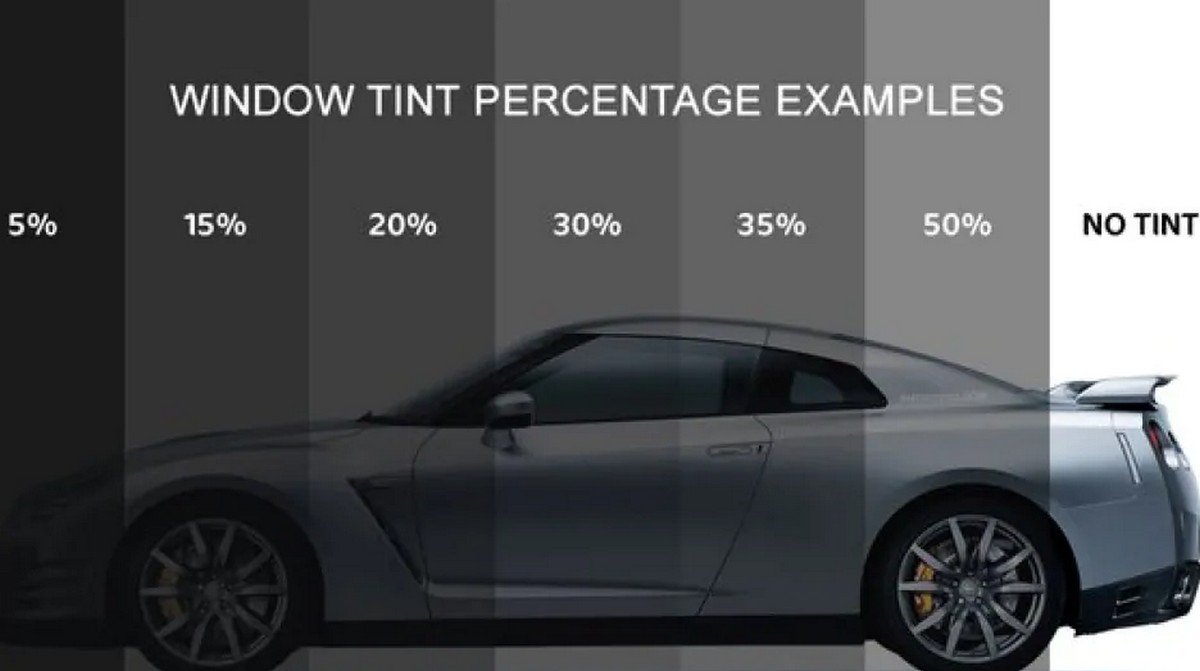
According to the Motor Vehicles Act of India, any additions or alterations to a vehicle should comply with the rules mentioned in the act. In general, car window tinting is allowed, but there are specific regulations that must be followed to ensure compliance with the law. The degree of tint allowed may vary depending on the state in India.
Expert Opinion:
- Tinting regulations are implemented to prioritize road safety and ensure visibility for both the driver and surrounding vehicles.
- It is important to familiarize yourself with the specific tinting laws in your state to avoid potential legal issues.
2. What is the maximum allowed window tint percentage in India?
The maximum allowed window tint percentage in India varies across different states. Generally, the front windshield should have a maximum of 70% visible light transmission (VLT) and the rear windshield and side windows must have a minimum VLT of 50%.
Expert Opinion:
- VLT regulations aim to ensure driver visibility and safety, as well as allow law enforcement to easily identify the occupants of a vehicle.
- Always refer to the specific tinting laws in your state to determine the acceptable window tint percentage.
3. Are there any exceptions to the window tinting laws in India?
Yes, there are certain exceptions to the window tinting laws in India. Vehicles used by people with medical conditions that require limited exposure to sunlight, such as skin conditions or light sensitivity, may be allowed to have a higher tint percentage. However, proper documentation and authorization from the concerned authorities are usually required.
Expert Opinion:
- Exceptions are granted to prioritize the well-being and health of individuals with specific medical conditions.
- It is vital to consult with the appropriate authorities and provide the necessary documentation to avail of these exceptions.
4. Can I tint my car windows on my own?

Tinting car windows on your own is possible, but it requires the right tools, knowledge, and skills. It is recommended to have prior experience in window tinting or seek assistance from a professional to ensure the best results.
Expert Opinion:
- DIY tinting can be challenging for beginners, as it involves precise measurements, proper application techniques, and avoiding air bubbles or creases.
- Seeking professional help is often the safer and reliable option for a high-quality window tint installation.
5. What are the advantages of tinting car windows?
Tinting car windows can offer several advantages, including:
- Reduced interior heat: Window tint helps in blocking the sun's heat, keeping the interior cooler and reducing the need for excessive air conditioning.
- Privacy and security: Tinted windows provide increased privacy by making it difficult for people to see inside your car. It also offers protection against theft, as potential thieves cannot easily spot valuables inside.
- Protection from harmful UV rays: The right window tint can block the majority of harmful UV rays, which can cause skin damage and fade interior materials over time.
- Glare reduction: Tinted windows reduce glare from the sun, headlights, and other sources of bright light, enhancing visibility and reducing eye strain.
Expert Opinion:
- Window tinting not only enhances the aesthetics of a vehicle but also provides functional benefits for the driver and passengers.
- Ensure you comply with legal regulations while enjoying the advantages of window tinting.
6. Can window tinting affect visibility while driving?
If the window tint is within the legal limits set by the state and properly installed, it should not significantly affect visibility while driving. However, excessive tinting or poor installation can hinder visibility and compromise road safety.
Expert Opinion:
- It is crucial to choose the appropriate window tint shade and ensure a professional installation to maintain optimal visibility.
- Regularly inspect the tint for any signs of damage, such as peeling or bubbling, which can obstruct visibility.
7. Does window tinting protect against the sun's harmful UV rays?
Yes, window tinting can provide protection against the sun's harmful UV rays. The right type of window tint can significantly reduce the amount of UV radiation entering the vehicle, protecting both the occupants and the interior materials from damage.
Expert Opinion:
- Look for window tints labeled with high UV protection ratings to ensure maximum shielding against UV radiation.
- UV protection is essential for long-term health benefits and preserving the condition of your car's interior.
8. How long does window tinting typically last?
The longevity of window tinting depends on various factors, including the quality of the tint film, installation technique, and environmental conditions. On average, professionally installed window tint can last between 5 to 10 years.
Expert Opinion:
- Regularly clean and maintain the tinted windows to prolong their lifespan.
- Avoid using abrasive cleaning agents or sharp objects that can damage the tint film.
9. Can window tinting be removed or changed later?
Yes, window tinting can be removed or changed later. While it is possible to remove window tint on your own, it is recommended to seek professional assistance to prevent damage to the glass or defrost lines.
Expert Opinion:
- Chemical solutions and specialized tools are often used to remove window tint effectively and without causing any harm to the window.
- If you wish to change the tint, consult with professionals who can provide expert advice on the best approach for your specific vehicle.
10. Can I tint my car windows darker than the legal limit?
No, it is not advisable to tint car windows darker than the legal limit. Doing so can lead to legal consequences, such as fines or vehicle impoundment. It is essential to comply with the specific tinting laws in your state.
Expert Opinion:
- Exceeding the permissible tint levels poses safety hazards, impairs driver visibility, and may result in penalties.
- Always prioritize safety and adhere to the legal guidelines to avoid unnecessary issues.
11. Can I get a ticket for having tinted car windows?
Yes, driving a vehicle with tinted windows that do not comply with the legal requirements can result in a traffic violation. Law enforcement officers have the authority to issue tickets or citations if they determine that the level of window tint is illegal.
Expert Opinion:
- To avoid any penalties or legal issues, ensure your window tints are within the prescribed limits.
- Regularly monitor and maintain the condition of your window tints to prevent them from becoming too dark over time.
12. Can I install window tint on my car front windshield?
According to the legal regulations in India, the front windshield should have a maximum of 70% visible light transmission (VLT). This means that some degree of window tinting is allowed, but it should not impair visibility or violate the specified limits.
Expert Opinion:
- Front windshield tints must be within the permissible VLT to ensure safety and clear vision for the driver.
- Consult a professional installer to determine the best window tint options for your front windshield.
Tinted Car Windows in India: Understanding the Laws and Benefits
Car window tinting has become a popular trend among car owners in India and offers various benefits, from enhanced privacy to protection against harmful UV rays. However, it is crucial to understand the specific laws and regulations surrounding tinted car windows in India to avoid legal complications and ensure road safety.
In this article, we will address some common questions related to car window tinting and provide expert insights to help you make informed decisions.
Is it legal to tint car windows in India?
According to the Motor Vehicles Act of India, car window tinting is allowed, but it must comply with specific rules and regulations mentioned in the act. The degree of tint allowed may vary depending on the state in India. It is essential to familiarize yourself with the tinting laws in your state to ensure compliance and avoid potential legal issues.
What is the maximum allowed window tint percentage in India?
The maximum allowed window tint percentage varies across different states in India. In general, the front windshield should have a maximum visible light transmission (VLT) of 70%, while the rear windshield and side windows must have a minimum VLT of 50%. These regulations are in place to ensure driver visibility and allow law enforcement to identify the occupants of a vehicle easily.
Are there any exceptions to the window tinting laws in India?
Yes, there are exceptions to the window tinting laws in India. Individuals with specific medical conditions that require limited exposure to sunlight may be allowed to have a higher tint percentage. However, proper documentation and authorization from the concerned authorities are usually required. Exceptions are granted to prioritize the well-being and health of individuals with specific medical conditions.
Can I tint my car windows on my own?
Tinting car windows on your own is possible but requires the right tools, knowledge, and skills. It is recommended to have prior experience in window tinting or seek assistance from a professional to ensure the best results. DIY tinting can be challenging for beginners, as it involves precise measurements, proper application techniques, and avoiding air bubbles or creases.
What are the advantages of tinting car windows?
Tinting car windows offers several advantages, including reduced interior heat, increased privacy and security, protection from harmful UV rays, and glare reduction. It not only enhances the aesthetics of a vehicle but also provides functional benefits for the driver and passengers. However, it is essential to ensure compliance with legal regulations while enjoying the advantages of window tinting.
Can window tinting affect visibility while driving?
If the window tint is within the legal limits and properly installed, it should not significantly affect visibility while driving. However, excessive tinting or poor installation can hinder visibility and compromise road safety. It is crucial to choose the appropriate window tint shade and ensure professional installation to maintain optimal visibility.
Does window tinting protect against the sun's harmful UV rays?
Yes, window tinting can provide protection against the sun's harmful UV rays. The right type of window tint can significantly reduce the amount of UV radiation entering the vehicle, protecting both the occupants and the interior materials from damage. Look for window tints labeled with high UV protection ratings to ensure maximum shielding against UV radiation.
How long does window tinting typically last?
The longevity of window tinting depends on various factors, including the quality of the tint film, installation technique, and environmental conditions. On average, professionally installed window tint can last between 5 to 10 years. Regularly clean and maintain the tinted windows using appropriate methods to prolong their lifespan.
Can window tinting be removed or changed later?
Yes, window tinting can be removed or changed later. While it is possible to remove window tint on your own, it is recommended to seek professional assistance to prevent damage to the glass or defrost lines. Chemical solutions and specialized tools are often used to remove window tint effectively. If you wish to change the tint, consult with professionals who can provide expert advice on the best approach for your specific vehicle.
Can I tint my car windows darker than the legal limit?
No, it is not advisable to tint car windows darker than the legal limit. Exceeding the permissible tint levels poses safety hazards, impairs driver visibility, and may result in penalties. Always prioritize safety and adhere to the legal guidelines to avoid unnecessary issues.
Can I get a ticket for having tinted car windows?
Yes, driving a vehicle with tinted windows that do not comply with the legal requirements can result in a traffic violation. Law enforcement officers have the authority to issue tickets or citations if they determine that the level of window tint is illegal. Regularly monitor and maintain the condition of your window tints to prevent them from becoming too dark over time.
Can I install window tint on my car front windshield?
According to the legal regulations in India, the front windshield should have a maximum visible light transmission (VLT) of 70%. This means that some degree of window tinting is allowed but should not impair visibility or violate the specified limits. Consult a professional installer to determine the best window tint options for your front windshield.
In conclusion, window tinting laws in India aim to strike a balance between privacy, protection, and road safety. It is important to abide by these regulations and understand the permissible limits to avoid legal repercussions. Window tinting can offer various benefits, but it is essential to prioritize compliance with the law while enjoying the advantages provided by properly installed and within-legislation window tints.
Post a Comment for "how much to tint windows car"