Is Ceramic Coating Worth It? - An easy-to-follow guide
Ceramic coating has been gaining popularity as a way to protect and enhance the appearance of various surfaces, from cars to household items. But is ceramic coating really worth it? Let's dive into the most frequently asked questions about ceramic coating to find out.
1. What is ceramic coating?
Ceramic coating is a liquid polymer that is applied to the exterior of an object, such as a car or a piece of furniture. It creates a protective layer that is resistant to UV rays, chemicals, and other environmental factors.

Study Case: A car treated with ceramic coating is subjected to extreme weather conditions and harsh chemicals. Despite exposure, the coating remains intact, protecting the car's surface.
2. What are the benefits of ceramic coating?
Ceramic coating offers several advantages, including:
- Protection against UV rays, oxidation, and fading
- Resistance to scratches and swirl marks
- Easier cleaning, as dirt and grime slide off more easily
- Enhanced gloss and shine
- Long-lasting durability
Study Case: A car treated with ceramic coating maintains its shine and protection after years of regular use, requiring less frequent detailing and maintenance.
3. Can I apply ceramic coating myself?
Applying ceramic coating requires careful preparation and application techniques. While there are DIY ceramic coating kits available, it is recommended to have it professionally applied for optimal results.
4. How long does ceramic coating last?
The longevity of a ceramic coating depends on several factors, including the quality of the coating and how well it is maintained. Generally, a professionally applied ceramic coating can last up to 2-5 years.
5. How much does ceramic coating cost?
The cost of ceramic coating varies depending on factors such as the size of the object being coated and the quality of the coating used. As a general estimate, ceramic coating for a car can range from $500 to $2,000.
6. Can ceramic coating be applied to any surface?
Ceramic coating can be applied to a wide range of surfaces, including paint, glass, metal, plastic, and even textiles. However, it is important to consult with a professional to ensure compatibility and proper application techniques.
7. Does ceramic coating prevent scratches?
While ceramic coating provides an additional layer of protection, it is not completely scratch-proof. However, it can significantly reduce the likelihood of scratches and swirl marks compared to untreated surfaces.
8. Can ceramic coating be removed?
Ceramic coating is designed to be long-lasting, but it can be removed through a multi-step process known as paint correction. This involves using abrasive compounds and polishing techniques to strip off the coating.
9. Can ceramic coating be applied to a new car?
Yes, ceramic coating can be applied to new cars. In fact, it is often recommended to apply ceramic coating as soon as possible to protect the paint from environmental damage.
10. How do I maintain a ceramic coated surface?
Maintaining a ceramic coated surface involves regular washing using gentle cleaning products, avoiding harsh chemicals, and periodic inspections for any damages or signs of wear. It is also recommended to apply a ceramic coating booster or to have the coating professionally inspected and touched up when necessary.
11. Can ceramic coating be applied to wheels and tires?
Yes, ceramic coating can be applied to wheels and tires to provide protection against brake dust, road grime, and UV damage. This can help to maintain the appearance and make cleaning easier.
12. Can ceramic coating be layered?
Ceramic coating can be layered to increase the thickness and durability of the protective layer. However, it is important to follow the manufacturer's recommendations and avoid excessive layering, as it can lead to uneven results and reduced effectiveness.
The Truth About DIY Ceramic Coatings
There are many misconceptions surrounding DIY ceramic coatings. Let's address some of the most common myths and get to the truth.
1. Are DIY ceramic coatings as effective as professional applications?
While DIY ceramic coatings can provide some level of protection, they often lack the same durability and performance as professionally applied coatings. Professional applications ensure proper preparation, application techniques, and the use of high-quality products.
2. Can anyone apply a DIY ceramic coating?
Applying a DIY ceramic coating requires attention to detail, proper surface preparation, and knowledge of the specific product being used. While it can be done by anyone willing to put in the effort, it is important to follow instructions carefully to achieve the best results.
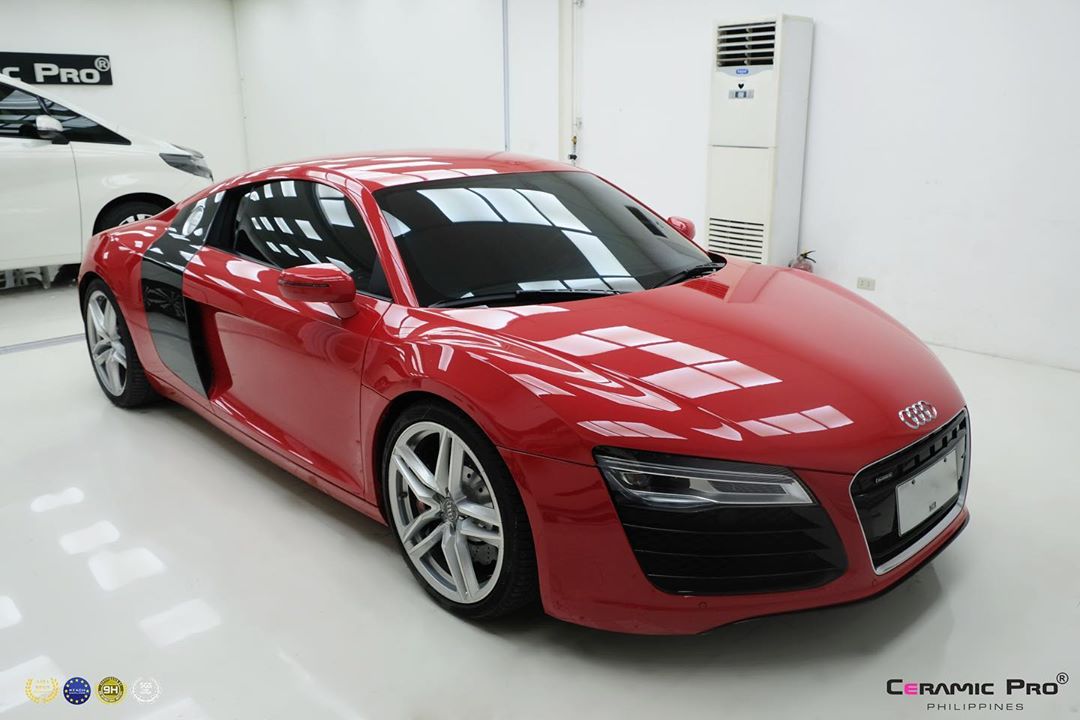
Study Case: A DIY ceramic coating is applied without proper surface preparation and quality control. The coating fails to adhere properly and does not provide the desired protection.
3. Are DIY ceramic coatings cost-effective?
DIY ceramic coatings can be initially cheaper than professional applications, but they may not offer the same long-lasting performance. In the long run, professional applications may prove to be more cost-effective due to their durability and warranty coverage.
4. Can DIY ceramic coatings be removed?
Removing a DIY ceramic coating can be more challenging than a professional application, as the quality and adherence of the coating may vary. It may require more aggressive methods and potentially damage the underlying surface.
5. Do DIY ceramic coatings provide the same level of protection?
DIY ceramic coatings can provide some level of protection, but they may not offer the same degree of durability, scratch resistance, or chemical resistance as professionally applied coatings. Professional applications are often backed by extensive research and development.
6. Can DIY ceramic coating void warranties?
Applying a DIY ceramic coating may void certain warranties, especially those offered by manufacturers or dealerships. It is important to review warranty terms and consult with professionals before applying ceramic coatings on surfaces with existing warranties.
7. Can DIY ceramic coatings be layered?
DIY ceramic coatings can be layered to increase the thickness and protection. However, improper layering or application techniques can lead to uneven results and reduced effectiveness.
8. Can DIY ceramic coatings be used on all surfaces?
DIY ceramic coatings are typically designed for specific surfaces, such as automotive paint or glass. It is important to choose a product that is suitable for the intended surface to achieve the best results.
9. Are DIY ceramic coatings resistant to scratches?
DIY ceramic coatings can provide some level of scratch resistance, but they may not offer the same level of protection as professionally applied coatings. Factors such as the quality of the coating and the surface preparation can impact scratch resistance.
10. Are DIY ceramic coatings hydrophobic?
DIY ceramic coatings can have hydrophobic properties, repelling water and making it easier to clean the surface. However, the extent of hydrophobicity may vary depending on the specific product used and the application technique.
11. Can DIY ceramic coatings enhance the gloss and shine?
DIY ceramic coatings can enhance the gloss and shine of the surface to some degree. However, professional applications often provide a more consistent and long-lasting enhancement, as they are designed for optimal aesthetics.
12. Can DIY ceramic coatings withstand extreme weather conditions?
DIY ceramic coatings may not offer the same level of protection against extreme weather conditions as professionally applied coatings. Professional applications are often tested and formulated to withstand a wider range of environmental factors.
Conclusion
Ceramic coatings can provide significant benefits in terms of protection, durability, and appearance enhancement. While DIY ceramic coatings can be tempting for cost-saving purposes, it is often recommended to have the coatings professionally applied to ensure optimal results and longevity. Consulting with experts and following proper application techniques are crucial for the best outcome. Now that you have a better understanding of ceramic coatings, you can make an informed decision on whether it is worth investing in.
Post a Comment for "how much to ceramic coat a car"