Mold in Your Car: How to Remove and Prevent Mold Growth
When it comes to your car, encountering mold can be a frustrating and potentially dangerous issue. Mold not only creates an unpleasant odor, but it can also lead to various health problems if left untreated. In this article, we will address some of the most frequently asked questions about mold in cars and provide expert insights on how to remove and prevent mold growth.
1. How does mold develop in a car?
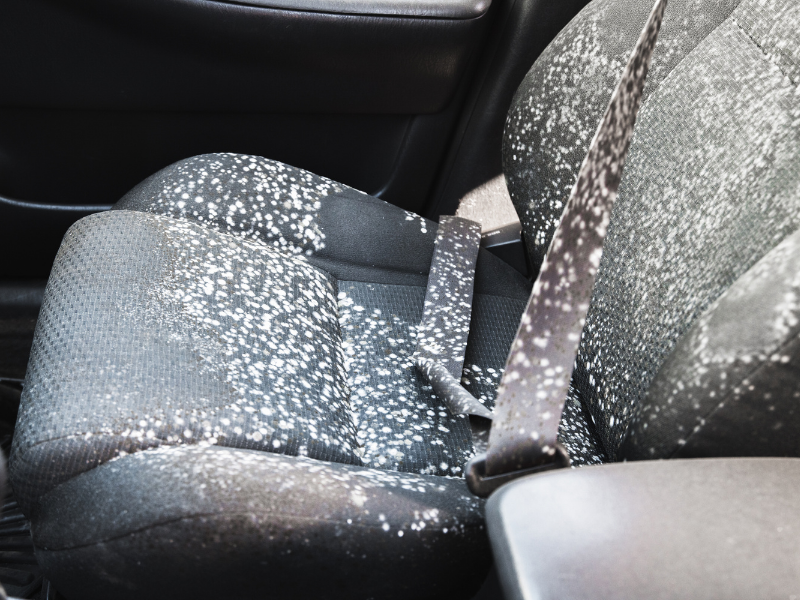
Mold can develop in a car due to moisture or water infiltration. It thrives in damp, dark environments, making your car vulnerable after exposure to rain, flooding, or even a spilled drink. Mold spores, which are present everywhere in the environment, can settle in these moist conditions and begin to grow.
Expert insight:
To prevent mold growth, it's crucial to address any water intrusion promptly. If your car gets wet, thoroughly dry the affected areas. Additionally, keeping your car well-ventilated and using dehumidifying products can help minimize moisture levels, reducing the risk of mold growth.
2. Is mold in a car hazardous?

Mold in a car can indeed be hazardous to your health. Exposure to mold spores can cause various respiratory symptoms, such as coughing, sneezing, and wheezing. It can also trigger allergies or worsen existing respiratory conditions. Furthermore, prolonged exposure to certain types of mold, such as black mold, can lead to more severe health issues.
Expert insight:
If you suspect mold growth in your car, it's essential to address it promptly and take appropriate measures to remove it. Not only will this help improve the air quality within your vehicle, but it will also reduce potential health risks associated with mold exposure.
3. How can I remove mold from my car?
To effectively remove mold from your car, follow these steps:
- Begin by wearing protective gear, including gloves, a mask, and goggles, to avoid direct contact with mold spores.
- Vacuum the affected areas using a vacuum cleaner equipped with a HEPA filter to capture mold spores.
- After vacuuming, use a mixture of mild detergent and water to clean the moldy surfaces thoroughly.
- For stubborn mold stains, consider using a specialized mold cleaner or a mixture of equal parts vinegar and water.
- Once the surfaces are clean, dry them thoroughly using fans or dehumidifiers.
- Dispose of any materials, such as carpets or seat covers, that are extensively contaminated and cannot be effectively cleaned.
- Regularly clean and maintain your car to prevent future mold growth.
Expert insight:
If you're dealing with a significant mold infestation or are unsure about the proper cleaning methods, it's recommended to seek professional assistance. Mold remediation experts have the necessary knowledge, experience, and equipment to safely and effectively remove mold from your car.
4. Can mold come back after removal?
Unfortunately, mold can return if the underlying moisture issue is not addressed properly. Even if you successfully remove visible mold growth, dormant mold spores can remain in your car and reactivate if conditions become favorable again.
Expert insight:
To prevent mold from coming back, it's crucial to identify and eliminate the source of moisture. Check for any leaks, fix them promptly, and ensure proper ventilation to keep the interior of your car dry. Regularly inspect and maintain your vehicle to detect any signs of moisture or water infiltration early.
5. Are there any natural remedies to remove mold from a car?
While natural remedies can sometimes help remove mold, they may not be as effective as commercial mold cleaners. However, you can try the following natural remedies:
- Vinegar: Mix equal parts vinegar and water and spray it on moldy surfaces. Let it sit for a few minutes before scrubbing and rinsing.
- Tea tree oil: Dilute a few drops of tea tree oil in water and spray it on the affected areas. Let it sit for a while before wiping clean.
- Baking soda: Create a paste using baking soda and water, and apply it to moldy surfaces. Scrub gently and rinse.
Expert insight:
While natural remedies can help to some extent, they may not completely eliminate the mold or address the root cause of the problem. If you opt for natural remedies, closely monitor the treated areas and consider seeking professional assistance if mold persists.
6. Can mold affect the electrical components of a car?
Mold growth in a car can potentially affect electrical components. Moisture from mold growth can seep into electrical connections, leading to corrosion and potential malfunctions. It's crucial to address mold growth promptly to minimize the risk of electrical damage.
Expert insight:
If you suspect that mold has affected the electrical components of your car, it's recommended to have a professional inspection. They can assess the extent of the damage and ensure the proper cleaning and maintenance of the affected components.
7. How can I prevent mold growth in my car?
To prevent mold growth in your car, consider implementing the following preventive measures:
- Keep your car clean and free of food debris, as it can attract mold.
- Regularly check for and address any signs of water leaks or moisture accumulation.
- Avoid leaving wet or damp items inside the car.
- Use dehumidifying products, such as moisture absorbers or desiccant bags, to reduce moisture levels.
- Regularly air out your car by opening the windows or using the air conditioning system.
Expert insight:
Preventive measures play a crucial role in minimizing the risk of mold growth in your car. By adopting these practices, you can maintain a clean and dry environment, reducing the likelihood of mold development.
8. Can mold in a car affect people with allergies?
Mold in a car can significantly impact individuals with allergies. Mold spores can trigger allergic reactions, such as sneezing, runny nose, itchy eyes, and congestion, in susceptible individuals.
Expert insight:
If you have allergies, it's crucial to address any mold issues in your car promptly. Implementing preventive measures and regularly cleaning and maintaining your vehicle can help create a healthier environment for individuals with allergies.
9. Can mold in a car cause respiratory issues?
Yes, mold in a car can cause various respiratory issues. Exposure to mold spores can lead to coughing, wheezing, shortness of breath, and chest tightness, particularly in individuals with asthma or other respiratory conditions.
Expert insight:
If you experience respiratory symptoms when in your car, it's essential to investigate and address any potential mold growth. Taking steps to remove mold and prevent its recurrence can significantly improve respiratory health.
10. Will insurance cover mold damage in a car?
The coverage for mold damage in a car typically depends on the specific insurance policy and the cause of the mold growth. Some policies may include coverage for mold remediation resulting from covered perils, such as water damage. However, it's important to review your insurance policy and consult with your insurance provider for specific details.
Expert insight:
If you discover mold in your car and suspect it resulted from a covered peril, such as a listed water damage event, contact your insurance provider to determine if mold remediation is covered.
11. Is it safe to drive a car with mold?
Driving a car with mold is generally not recommended, especially if you or your passengers experience allergic reactions or respiratory symptoms when inside the vehicle. The presence of mold can compromise the air quality within the car, potentially impacting your health and comfort.
Expert insight:
If you suspect mold growth in your car, it's advisable to address and remediate the issue before continuing regular use. This will help ensure a safe and healthy environment for both the driver and passengers.
12. Should I consult a professional for mold removal in my car?
While minor mold issues in a car can be addressed through DIY methods, consulting a professional mold remediation service is advisable for significant mold infestations or if you are unsure about the effectiveness of your cleaning methods. Professionals have the expertise, experience, and equipment required to effectively remove mold and prevent its recurrence.
Expert insight:
Professional mold remediation services can conduct a thorough assessment, properly contain the affected areas, remove mold safely, and provide guidance on prevention. If you're concerned about mold in your car or want to ensure a comprehensive and long-term solution, consulting a professional is recommended.
Post a Comment for "is mold in a car dangerous"