Advantages and Disadvantages of Using Biomass
1. What is biomass?

Biomass refers to organic matter that can be used as a renewable energy source. It includes a wide range of materials such as plants, trees, crop residues, wood chips, and animal waste. - Biomass is a widely available and renewable source of energy. - It can be used to produce heat, electricity, and even transportation fuels. - By utilizing biomass, we can reduce our dependence on fossil fuels and mitigate the impacts of climate change.
2. What are the advantages of using biomass?
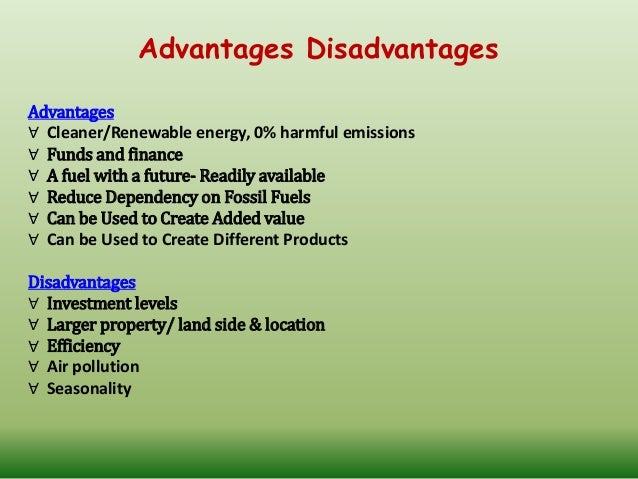
Advantages of using biomass include: - Renewable: Biomass is a renewable energy source, as plants and crops can be regrown to replenish the supply. - Reduced greenhouse gas emissions: Biomass produces carbon dioxide when burned, but this is offset by the carbon dioxide absorbed during plant growth. It helps to reduce net greenhouse gas emissions. - Waste utilization: Biomass can be produced from various kinds of organic waste, allowing us to utilize and recycle materials that would otherwise end up in landfills. - Energy security: Biomass can be produced locally, reducing dependence on foreign energy sources and increasing energy security. - Job creation: The biomass industry can create employment opportunities in rural areas where biomass materials are abundant. - Carbon neutral: Biomass energy can be carbon neutral when managed sustainably, as emissions are balanced by the carbon absorption of new plant growth.
3. What are the disadvantages of using biomass?
Disadvantages of using biomass include: - Land use and competition: Growing biomass crops or forests require land that could be used for food production or conservation purposes, leading to competition for land use. - Transportation and logistics: Biomass materials often need to be transported over long distances, which can increase costs and carbon emissions. - Particulate matter and air pollution: Burning biomass can release particulate matter and other pollutants into the air, potentially affecting air quality. Proper emission controls are required. - Seasonal availability: Some types of biomass, such as agricultural residues, are only available seasonally, which can pose challenges for continuous energy production. - Impact on ecosystems: Large-scale biomass production can have negative impacts on ecosystems, including deforestation, habitat destruction, and loss of biodiversity. Sustainable management is crucial.
4. How is biomass used to produce energy?
Biomass can be used to produce energy through various methods, including: - Combustion: Biomass is burned directly to produce heat, which can be used for space heating, water heating, or electricity generation. - Gasification: Biomass can be converted into a gas (syngas) through a process called gasification. The syngas can then be used for heat, power generation, or as a feedstock for the production of biofuels. - Anaerobic digestion: Biomass, such as organic waste or agricultural residues, can be decomposed in the absence of oxygen through anaerobic digestion. This process produces biogas, which can be used for heat, electricity, or as a transportation fuel. - Pyrolysis: Biomass is heated in the absence of oxygen to produce biochar, bio-oil, and syngas. These products can be used for various energy applications.
5. Can biomass be used as a replacement for fossil fuels?
Biomass can be used as a replacement for fossil fuels in certain applications, including heat and electricity generation, and as a feedstock for biofuels. However, it is important to consider the sustainability aspects of biomass production and ensure that it does not contribute to deforestation, land degradation, or other environmental issues.
6. Is biomass energy environmentally friendly?
Biomass energy can be considered environmentally friendly if it is produced and used sustainably. It can reduce greenhouse gas emissions compared to fossil fuels, and the carbon dioxide released during combustion is offset by the carbon dioxide absorbed during plant growth. However, it is essential to manage biomass production in a way that does not harm ecosystems or compete with food production.
7. What is the impact of biomass energy on climate change?
Biomass energy can have a positive impact on climate change if managed sustainably. As biomass grows, it absorbs carbon dioxide from the atmosphere, helping to mitigate greenhouse gas emissions. However, improper management or land-use changes for large-scale biomass production can release more carbon dioxide and contribute to deforestation, which can exacerbate climate change.
8. Can biomass energy reduce reliance on foreign energy sources?
Yes, biomass energy has the potential to reduce reliance on foreign energy sources. By utilizing locally available biomass materials, countries can enhance their energy security and reduce dependency on fossil fuel imports.
9. What role can biomass energy play in rural development?
Biomass energy can play a significant role in rural development by creating job opportunities and economic growth in rural areas. The cultivation and processing of biomass fuels can provide income and employment for local communities, particularly in agriculture-dependent regions.
10. Are there any government incentives or subsidies for biomass energy?
Many governments provide incentives and subsidies to promote the development and use of biomass energy. These incentives may include tax credits, feed-in tariffs, grants, or loan programs. The specific incentives vary by country and region.
11. Can biomass energy be used in transportation?
Yes, biomass energy can be used in transportation. Biomass-derived biofuels can be blended with or substitute for conventional fossil fuels, such as gasoline or diesel, in vehicles. Biofuels like bioethanol and biodiesel can be produced from biomass crops or organic waste through various processing techniques.
12. What are some challenges in the widespread adoption of biomass energy?
The widespread adoption of biomass energy faces several challenges, such as: - Sustainability: Ensuring sustainable biomass production without causing deforestation, land degradation, or competition with food crops. - Economic viability: The cost of biomass energy production, including transportation and processing, is often higher compared to fossil fuels. Cost-effective technologies and economies of scale need to be developed. - Technological advancements: Continued research and development are required to improve biomass conversion technologies and maximize energy efficiency. - Policy and regulatory frameworks: Clear and supportive policies and regulations are essential for encouraging investment in biomass energy and creating a favorable market environment. Note: The images used in this article are for illustrative purposes only and may not represent the exact biomass applications mentioned.
Post a Comment for "biomass energy advantages and disadvantages"